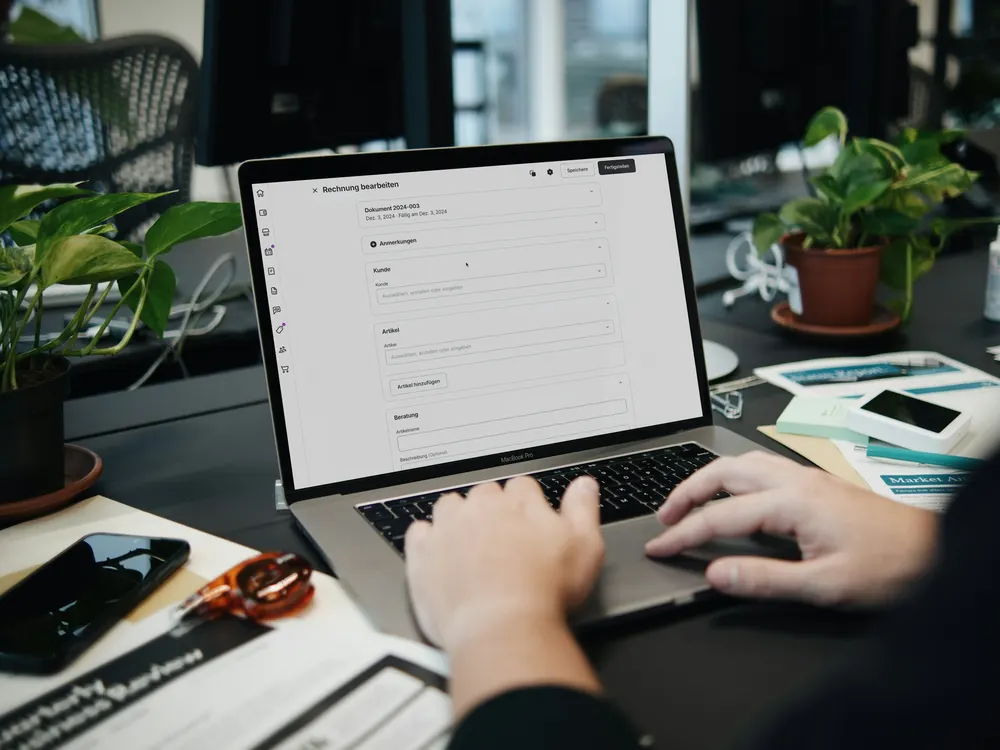
If you’re running a business in the UAE, E-Invoicing is no longer something to “watch”—it’s something to prepare for now. With the UAE moving toward a structured, real-time invoicing system, businesses need to rethink how invoices are created, shared, and reported. The good news? It’s not as complicated as it sounds—if you approach it step by step.
Step 1: Understand What E-Invoicing Really Means
Let’s keep it simple.
E-Invoicing is not just sending a PDF invoice over email. It means:
- Your invoice is created in a structured digital format
- It can be read by systems (not just humans)
- It can be validated automatically, possibly before reaching your customer
In short, your invoicing process becomes fully digital and connected.
Step 2: Check How You’re Currently Invoicing
Before jumping into solutions, take a moment to evaluate:
- Are you using Excel or manual invoices?
- Are invoices created in multiple systems?
- Do you often fix errors after sending invoices?
If the answer is yes to any of these, your current setup will struggle with E-Invoicing requirements.
Step 3: Get Your Invoice Data Right
E-Invoicing depends heavily on accurate and consistent data.
Make sure every invoice includes:
- Correct TRN (Tax Registration Number)
- Customer details (standardized format)
- Proper VAT calculations
- Item-level clarity (description, quantity, value)
Even small inconsistencies can cause validation failures in future systems.
Step 4: Move Away From Manual Processes
Manual invoicing slows everything down and increases risk.
Start:
- Generating invoices directly from sales orders
- Automating approvals
- Reducing duplicate data entry
The goal is to make invoicing fast, accurate, and repeatable.
Step 5: Prepare For System Integration
The UAE is expected to follow a model where invoices interact with government platforms.
That means your system should:
- Be able to connect via APIs
- Support structured formats (like XML/UBL)
- Handle real-time or near real-time data exchange
If your system can’t do this, it will need upgrading.
Step 6: Use A System That’s Already Ready — ERPNext
This is where things get easier.
Instead of building everything from scratch, using a platform like ERPNext can simplify your transition significantly.
Why ERPNext Works Well For UAE E-Invoicing
Built-In Automation
Invoices are generated automatically from transactions—no manual typing.
Structured Data Handling
ERPNext already organizes data in a way that can be adapted to E-Invoicing formats.
VAT Compliance Ready
Handles UAE VAT requirements including:
- Tax calculations
- TRN tracking
- Audit-ready reports
Integration Friendly
With API capabilities, it can connect to:
- Government portals
- Peppol frameworks (when implemented)
Workflow Control
You can set approvals, validations, and checks before invoices are finalized.
Scalable & Customizable
As UAE regulations evolve, ERPNext can be updated without replacing your entire system.
Step 7: Train Your Team Early
Technology alone won’t solve the problem.
Make sure:
- Finance teams understand compliance requirements
- Operations teams follow standardized processes
- IT teams are ready for integrations
A well-trained team ensures smooth adoption without disruptions.
Final Thoughts
E-Invoicing in the UAE is not just about compliance—it’s about working smarter.
If you start early:
- You avoid last-minute stress
- You reduce errors and delays
- You improve cash flow and visibility
And with tools like ERPNext, the transition becomes far more practical than technical.
Start small, standardize your data, automate your process—and you’ll already be ahead when E-Invoicing becomes mandatory.